
Boosting Confidence Through Connections at Soccer Camp
4/11/20264 min read
The Importance of Connection in Team Sports
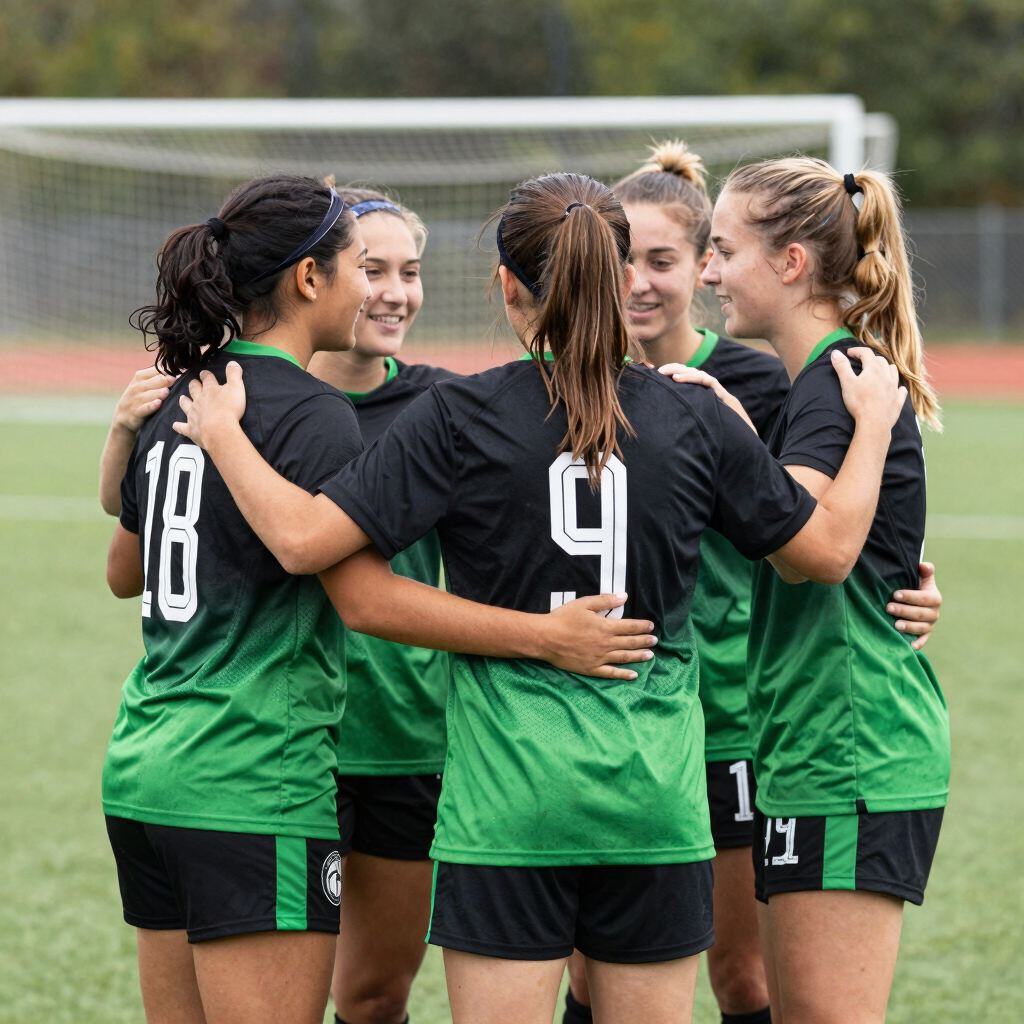
Team sports, particularly soccer, emphasize the necessity of connection among players, which plays a pivotal role in fostering a supportive environment. Such an environment is critical for nurturing self-esteem and promoting collaboration among team members. When players establish strong connections, they not only enhance their individual performance but also cultivate a sense of belonging and community within the team.
Connections formed during soccer camp can lead to increased motivation, as players feel accountable to each other. This accountability bolsters confidence, as individuals recognize that they are part of something larger than themselves. When teammates support one another, whether through positive encouragement or constructive feedback, it creates a culture of learning and growth. Such dynamics allow players to take risks in their performance, knowing they have a safety net of teammates cheering them on.
Furthermore, the camaraderie built through shared experiences within a team environment often translates into lifelong friendships. These connections extend beyond the soccer field, enriching personal lives and promoting social skills. As players work together, solve problems, and navigate challenges, they learn valuable lessons in teamwork and communication. This collaborative effort not only improves soccer skills but also develops essential life skills that instill confidence in various personal and professional settings.
In conclusion, the bonds formed during soccer camps are instrumental in shaping a player's self-image and emotional well-being. By enhancing relationships, fostering collaboration, and building lasting friendships, players are not only equipped with better performance capability but are also assured in their individuality and contribution to the team dynamic.
Building Friendships at Soccer Camp
Soccer camp serves as an enriching platform where players not only hone their athletic skills but also foster meaningful friendships. These friendships are often born out of shared experiences during various team exercises and bonding activities that are integral to the camp's structure. Through these interactions, players learn the value of teamwork and support, which significantly contributes to their personal growth and self-confidence.
One of the primary mechanisms for friendship-building at soccer camp is the emphasis on team exercises. These exercises, ranging from coordinated drills to competitive games, necessitate communication and cooperation among players. As participants engage in these activities, they learn to rely on one another, creating a sense of camaraderie that helps break the ice and fosters long-lasting relationships. By understanding each other's strengths and weaknesses, they build mutual respect and trust, essential components for forging friendships that can encourage confidence both on and off the field.
Informal gatherings also play a significant role in enhancing the social atmosphere at soccer camp. These gatherings may include team meals, evening campfires, or fun social events aimed at leisure. During these moments of relaxation, players can interact outside of the competitive environment, allowing them to see each other in a different light. Such interactions provide opportunities for laughter, shared stories, and bonding moments that strengthen their connections. By developing friendships in these casual settings, players can enhance their social skills and find a supportive network that uplifts their confidence.
In conclusion, the combined elements of structured team exercises and informal social activities at soccer camp create a comprehensive environment conducive to friendship building. These relationships not only elevate players' confidence on the field but also enrich their lives beyond the confines of soccer, providing them with essential social skills that will benefit them in numerous aspects of life.
The Role of Positive Reinforcement and Mentorship
Positive reinforcement plays a pivotal role in enhancing the confidence of players at soccer camps. This method, which involves acknowledging and rewarding desired behaviors, creates an encouraging atmosphere for young athletes. When coaches and peers recognize individual achievements, even minor ones, it instills a sense of accomplishment in players. This recognition fosters a growth mindset, where players understand that their hard work and talent can lead to tangible results. By receiving praise from coaches for their efforts, players learn to trust in their capabilities, which significantly boosts their self-esteem.
Additionally, the mentorship provided by experienced coaches and older players is instrumental in this developmental journey. Such mentorship relationships can create a supportive environment where younger athletes feel valued and understood. Older players or coaches often serve as role models, demonstrating the skills and attitudes necessary for success. The guidance offered through mentorship allows younger athletes to approach challenges with confidence, knowing they have someone to turn to for advice and support. This relationship not only aids skill development but also contributes to the emotional growth of the players.
Furthermore, the dynamic of peer support at soccer camps amplifies the benefits of positive reinforcement. When teammates uplift one another and celebrate each other’s successes, it builds a strong camaraderie. This collective encouragement fosters a community where players feel comfortable taking risks and learning from their mistakes. The server of this encouragement can be transformative, as players are likely to push themselves further in an atmosphere that prioritizes emotional well-being alongside skill development. Thus, the combination of positive reinforcement and mentorship creates a holistic framework that empowers athletes to embrace their potential, leading to newfound confidence both on and off the field.
Real-Life Examples of Confidence Growth from Soccer Camp
Soccer camps serve as breeding grounds for many young athletes, providing an environment conducive to personal growth and development. Numerous players have reported significant boosts in self-confidence and social skills through their experiences at these camps. One such success story features Emily, a 14-year-old who joined her local soccer camp feeling uncertain about her abilities. Surrounded by supportive teammates and skilled coaches, Emily quickly realized she was not alone in her insecurities. Building connections with her peers allowed her to share her struggles openly, ultimately enabling her to step outside her comfort zone. By the end of the camp, Emily showcased her skills during a match and earned the ‘Most Improved Player’ award, transforming not only her gameplay but also her self-esteem.
Another example is Jake, who started attending soccer camp at the age of 12. Initially, Jake struggled to communicate with his teammates, feeling overshadowed by more experienced players. However, as he actively participated in group drills and friendly matches, he found a supportive network of friends who helped him recognize his worth. This camaraderie instilled a sense of belonging that propelled Jake to become more vocal on the field, ultimately enhancing his team leadership qualities. Today, Jake emphasizes that the friendships he forged during camp have been instrumental in developing his confidence, allowing him to face challenges both in soccer and his daily life with greater assurance.
These stories are just a glimpse into the transformative experience of soccer camps. The bonds that young athletes form not only foster teamwork but also contribute significantly to individual growth. Through shared experiences of triumph and adversity, players learn valuable lessons about perseverance, trust, and self-worth—all of which play a critical role in boosting confidence that extends far beyond the field.